
Nectar of the Gods — The Story of Ice Wine
Ice wine is a late harvest wine produced from the juice of grapes that have been frozen on the vine and pressed while frozen. During pressing, the water is retained as ice crystals, so the resulting juice is highly concentrated in sugar and flavour compounds. It is valued for its rarity, sweetness, intensity of aroma and flavour, and — not least of all — its purity. Its origins are vague, but a date often cited as the first “genuine” ice wine harvest is 1794, in Germany. Over most of this period, Germany and Austria have been the main producers. However, emerging onto the scene in the late 1980s was a new kid on the block, who in a very short time has come to dominate the global ice wine scene in terms of both quantity and quality. Canada.
The hot summers and cold, dependable winters found in Canada’s main grape growing regions produce the requisite conditions for consistent and reliable production. While many European ice wine producers cannot be assured of sufficiently cold conditions at the correct time and for long enough to harvest the fruit, this is generally not a problem with Canada’s long, cold winters. It is in Ontario, and on the Niagara Peninsula in particular, that the majority (approx. 75%) of Ice wine is made. “Ice wine” delineates Canadian-produced product (the term is in fact trademarked by Canada’s regulatory oversight body — Vintners Quality Alliance Canada (VQA)) from Eiswein (Germany and Austria) and ice wine (a generic term encompassing both styles and those from other nations). How Ice wine is made and regulated in Canada and its characteristics make it one of the most sought-after wines on the planet.
How Ice Wine is Made
In Ontario, the end of December through to mid January is common and generally considered optimal for the final quality of the wine, although on a rare occasion harvest has been delayed until late March. Grapes must be picked and pressed at -8 degrees Celsius or colder. Temperatures at harvest and during pressing are the main determinants of the final sugar concentration of the juice.
The higher the sugar content in the grape, the lower the temperature must be in order to freeze out the water. Late Harvest, Select Late Harvest and Special Select Late Harvest wines are also produced, and are sweet wine styles that have a lower minimum Brix requirement than required for Ice wine. These may be produced from 2nd and subsequent pressings of Ice wine grapes or from fruit harvested earlier in winter at warmer temperatures.
When the grapes are finally harvested, they are pressed without crushing. Under VQA regulations pressing must be a continuous process, and a low temperature needs to be maintained throughout the operation in order to obtain a juice with a minimum of 35° Brix. Fermentation typically takes a few weeks longer to complete than with table wines. “Complete” in the sense of achieving an alcohol concentration of approximately 10 % v/v, where there is still considerable residual sugar present (approx 200 g/L); imparting the sweetness the style is renowned for. Once the wines are stable, they are bottled — typically in 375 mL bottles — to preserve varietal intensity.
Acknowledgements
This is an abbreviated and edited version of an article that first appeared in the Proceedings of the Sixth International Cool Climate Symposium for Viticulture and Oenology, Christchurch, New Zealand, 5–10 February 2006, 84–99. ‘Degrees Brix (symbol °Bx) is an indirect measurement of the sugar concentration of grapes and juice.
– Professor Gary Pickering
About the Author
Gary Pickering is a Professor in Biological Sciences and Psychology, and a researcher at Brock University’s Cool Climate Oenology and Viticulture Institute in Niagara, Canada. He also holds a doctorate in Wine Science and is an active lecturer and researcher in wine flavour, sensory science and the development of novel wine products and processes. Gary is the recipient of a number of research awards, is passionate about wine and its education, and has worked on over 100 papers, book chapters, patents and conferences.
Contact: gary@picksen.com


Wine Awakenings at the Toronto Incentiveworks Show Metro Convention Centre
WE’VE LAUNCHED OUR PRODUCTS WITH RESOUNDING SUCCESS!
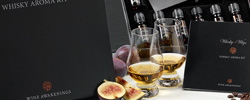
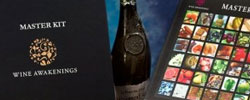
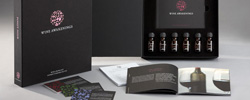
What a great way to introduce our new Wine Aroma Kits to the audience of well over 3,000 attendees made up of meeting and event managers from both the private and public sector, incentive promotion companies, sales, marketing, HR and communication managers, all looking for something new and exciting!
Our Wine Aroma kits were received extremely positively, gaining acclaim as the “novelty item of the show”! The buzz made the rounds quickly at the show and we had lots of people seeking out information about what we are all about!
The positive feedback we got fueled our conviction that this product is not only unique but also has mass appeal and a special allure all its own …
• It’s a great gift, a riveting board game, a perfect addition to any wine library, and a must have for the wine novice or connoisseur.
• It’s a perfect supplement for wine-focused retailers looking to add value to their existent clientele and to differentiate themselves from other establishments.
• They are a “must” in the field of wine education, for both teachers and students alike.
The “awakening” has begun … The “demystification” is yours to explore.
If you require further information, please send us an email at info@wineawakenings.com
Join our wine blog and begin your journey to enlightening your senses.